2025年9月19日星期五

How do MGO boards perform in different climates?


Generally, MGO (Magnesium Oxide) boards perform very well in a wide range of climates, from hot and humid to cold and dry. Their key strengths are moisture resistance and dimensional stability, which makes them highly adaptable. However, their performance can vary depending on the specific formulation, particularly the binder used

Performance in Humid and Wet Climates ☀️💧

MGO boards are renowned for their resistance to moisture. Unlike wood or gypsum-based products, they do not swell, warp, or delaminate when exposed to water. This makes them ideal for high-humidity environments like bathrooms, kitchens, and basements. Their inorganic composition also means they don't provide a food source for mold, mildew, or fungus, which is a major advantage in damp conditions.

However, there's a crucial distinction to be aware of:

  • Magnesium Chloride (MgCl₂) based MGO boards can be hygroscopic, meaning they readily absorb moisture from the air, especially in very high humidity. This can lead to a phenomenon known as "weeping" or "crying," where water droplets containing chloride ions form on the surface. This moisture can cause corrosion of metal fasteners, like screws and nails, which was a significant issue with some early MGO boards, notably in a widely reported case in Denmark.
  • Magnesium Sulfate (MgSO₄) based MGO boards are a newer and improved formulation. They are not hygroscopic, so they perform much better in humid conditions and eliminate the risk of metal corrosion. This makes them a more reliable choice for both interior and exterior applications in humid climates.

Performance in Cold and Dry Climates ❄️

In cold climates, MGO boards excel due to their freeze-thaw resistance. They can withstand repeated cycles of freezing and thawing without losing their structural integrity. This is a significant advantage over other materials that can become brittle and crack in low temperatures.

Additionally, their excellent thermal insulation properties help to:

  • Reduce heat loss in winter, which contributes to lower heating costs.
  • Prevent thermal bridging, a common issue where heat or cold is transferred through a building's framing, compromising insulation.

Overall Dimensional Stability

A major benefit of MGO boards is their dimensional stability across different climates. They have a very low coefficient of thermal expansion and contraction, meaning they don't expand or shrink significantly with temperature changes. This prevents the cracking and shifting that can occur with other materials, ensuring a more durable and long-lasting structure.

More information, please visit at www.hocre-board.com or send message by whatsapp + 86 15001321220

 

2025年9月10日星期三

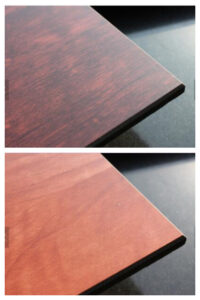
Wooden Surface UV finishing high density fiber cement board

 Wooden surface UV-finished high-density fiber cement board is a modern building material that combines the strength and durability of fiber cement with the aesthetic appeal and protective qualities of a wood-grain UV (ultraviolet) cured finish. This product is a popular choice for both interior and exterior applications, offering a range of benefits that traditional wood or other materials cannot match.

Key Components and Manufacturing Process

  • High-Density Fiber Cement Board (HDFCB): The core of the product is a high-density fiber cement board. This composite material is typically made from cement, cellulose fibers, sand, and water. The "high-density" designation means it has been subjected to a pressing process during manufacturing to create a denser, stronger, and more durable board. This process enhances its resistance to fire, moisture, and pests.
  • Wooden Surface: The aesthetic element of this product is a decorative layer that imitates the look and texture of natural wood. This can be achieved through various methods, such as applying a printed wood grain film or a specialized UV-curable ink directly onto the board's surface. Some products even have a textured surface that mimics the feel of wood grain.
  • UV Finishing: The "UV finishing" is the final, crucial step. It involves applying a liquid coating (paint, varnish, or lacquer) that contains photoinitiators. As the board passes under powerful UV lamps, these photoinitiators trigger a rapid chemical reaction (polymerization), which instantly cures the coating. This process creates a hard, durable, and highly protective layer on the surface.

Advantages of UV-Finished HDFCB with a Wooden Surface

This combination of materials and technologies results in a product with several superior characteristics:

  • Exceptional Durability: The UV-cured finish is extremely hard, scratch-resistant, and abrasion-resistant. This makes the boards ideal for high-traffic areas where they might be subject to wear and tear.
  • Moisture and Weather Resistance: HDFCB is inherently moisture-resistant, and the UV finish further enhances this property. It acts as a protective shield against rain, humidity, and UV radiation, preventing the board from warping, cracking, or fading. This makes it an excellent choice for exterior cladding and siding.
  • Fire Resistance: The fiber cement core is non-combustible, giving the board an excellent fire rating (often Class A1). This is a significant safety advantage over natural wood.
  • Low Maintenance: The smooth, non-porous surface of the UV finish is resistant to stains, chemicals, and dirt. It is very easy to clean and requires little to no maintenance over its long service life, eliminating the need for regular repainting or sealing.
  • Aesthetic Versatility: The wood-grain finish can be customized to replicate a wide variety of wood species, colors, and textures, offering designers and architects a broad range of design options without the performance limitations of real wood.
  • Environmental Friendliness: UV curing technology is a more sustainable process compared to traditional coatings. It is solvent-free and produces zero or very low levels of volatile organic compounds (VOCs), contributing to healthier indoor and outdoor environments.

Common Applications

The combination of durability and aesthetics makes this product suitable for a diverse range of applications, including:

  • Exterior Cladding and Siding: Providing a modern, durable, and low-maintenance facade for residential and commercial buildings.
  • Interior Walls and Partitions: Creating decorative feature walls or durable surfaces in high-traffic areas like commercial spaces, offices, and hospitals.
  • Wet Areas: Used in kitchens and bathrooms due to its enhanced moisture resistance.
  • Furniture and Cabinetry: The scratch and stain resistance of the UV coating makes these boards perfect for creating stylish and durable furniture, such as countertops and cabinet doors.
More inforamtion, please visit at www.hocre-board.com or send message by whatsapp +86 15001321220

Sanded surface through color fiber cement board

 Sanded surface, through-color fiber cement board is a type of architectural panel used for building facades and other exterior and interior wall applications. It's known for its unique aesthetic and durability, offering a timeless and modern look.


Key Characteristics

  • Through-Color: Unlike traditional fiber cement boards that are coated with a surface color, these boards have a consistent pigment throughout the entire material. This means the color is the same on the surface as it is on the core, and it won't fade or show a different color if it's scratched or chipped.

  • Sanded Surface: The manufacturing process includes a sanding step that exposes the natural texture and aggregates of the fiber cement, creating a unique, subtle, and raw finish. The fine sanding lines give the material a dry and lively appearance.

  • Composition: The boards are typically made from a mixture of natural materials, including Portland cement, cellulose fibers (often from wood), quartz sand, and water. These are combined, cured in a high-temperature autoclave, and then sanded.

  • Durability: These panels are highly durable and are resistant to various environmental factors, including fire, water, rot, insects, and extreme weather conditions. They are also known for their high strength and long service life.

Uses and Brands

Common Applications

The combination of through-color and a sanded surface makes these boards popular for a variety of building projects where a high-end, contemporary aesthetic is desired. They're often used for:

  • Exterior Cladding: As a facade material for homes, villas, public buildings, and industrial structures.

  • Interior Walls: For creating unique accent walls or panels in both residential and commercial spaces.

  • Rainscreen Systems: They are frequently used in ventilated rainscreen facade systems, which provide both weather protection and improved thermal performance.

Notable Brands

While many companies produce through-color fiber cement boards, some brands are more widely recognized for this specific type of product.

  • EQUITONE: The EQUITONE [tectiva] line is a well-known example of a through-color facade material with a sanded surface.

  • James Hardie: A leading brand in fiber cement siding, they offer a wide range of products, including their Hardie Architectural Collection which features modern paneling options.

  • Allura: Another top brand that offers various textures and colors in their fiber cement siding product line.

Maintenance and Finishing

A key benefit of through-color fiber cement is its low maintenance. Since the color is inherent to the material, you don't have to worry about the paint chipping or fading. However, to maintain the boards' appearance and longevity, it's still important to follow some best practices:

  • Cleaning: Regular cleaning with a soft brush and a garden hose is usually sufficient to remove dirt and debris.

  • Finishing: While the boards are pre-finished and require no further treatment after installation, some manufacturers may apply a clear, waterproof shield to protect and enhance the natural finish.

  • Sealing: Applying a sealant can add an extra layer of protection against moisture penetration and UV rays, which helps to extend the lifespan of the panels. This is particularly useful for exterior applications.

More information, please visit at www.hocre-board.com or send message by whatsapp +86 15001321220

Is the MgO board breathable?

 Yes, most MgO boards are breathable. In building science, "breathable" means a material allows water vapor to pass through it via a process called diffusion. This is measured by its water vapor permeance (or perm rating).


Why Breathability Matters

A breathable building material helps regulate moisture levels. When moisture accumulates inside a wall cavity from sources like cooking, showering, or even humidity, it needs a way to escape. If a wall is not breathable, that moisture can become trapped, leading to serious problems:

  • Condensation: Trapped vapor can condense into liquid water.

  • Mold and Mildew Growth: The presence of moisture creates a perfect environment for mold and mildew, which can cause health issues and structural damage.

  • Reduced Insulation Performance: Wet insulation loses its effectiveness, leading to higher energy costs.

How MgO Boards Achieve Breathability

While MgO boards are highly resistant to liquid water (they won't swell or rot when exposed to it), their porous, mineral-based structure allows water vapor to move through them. This is a key difference from materials like traditional OSB, which can be sealed with coatings that inhibit moisture vapor from passing through.

It's important to note that the degree of breathability can vary between different MgO board products depending on their specific formulation and manufacturing process. Some manufacturers might add sealants or fillers to make a board more water-resistant, which can slightly reduce its perm rating.

More information, please visit at www.hocre-board.com or send message by whatsapp +86 15001321220

How strong is the MgO board?

 MgO board is very strong, with properties that often exceed or match traditional building materials like OSB and even concrete. Its strength comes from its unique mineral composition and the reinforcement provided by fiberglass mesh.

Here's a breakdown of its strength properties:

Compressive Strength

MgO board has excellent compressive strength, which is its ability to withstand forces that push down on it. This makes it a great material for load-bearing walls and flooring applications. Typical compressive strength values for MgO boards range from 12 to 25 MPa (megapascals), which is comparable to, and in some cases better than, traditional cement board. In contrast, OSB typically has a compressive strength of 10.3 to 17.2 MPa. This high compressive strength is one reason MgO is a good choice for structural uses.

Flexural and Bending Strength

Flexural strength refers to a material's ability to resist bending or deformation under a load. MgO board has a strong flexural capacity, with values often ranging from 14 to 22 MPa. This is a crucial property for wall sheathing and other applications where the board may be subjected to lateral forces, like wind or seismic activity. This high bending strength helps the material maintain its structural integrity without cracking or breaking.

Shear Strength

Shear strength is the resistance of a material to forces that cause it to slide or shear past one another. MgO board provides excellent shear strength, which is vital for providing a racking shear resistance to a building's structure. This means it helps a building withstand forces like high winds or earthquakes that try to push the structure out of square. The ability of MgO to hold fasteners firmly also contributes to its strong shear performance.

Impact Resistance

Thanks to its dense, mineral-based composition and fiberglass reinforcement, MgO board is also highly resistant to impact. It is much more robust than drywall and can handle significant blows without cracking. This makes it a great choice for areas that might be subjected to bumps and knocks, like hallways and public spaces. This is also why it's a good choice for exterior sheathing in areas prone to hail or other impact hazards.

In summary, MgO board's strength is multifaceted. It's not just strong in one dimension; its combination of high compressive, flexural, and impact strength, along with its excellent resistance to moisture and fire, makes it a superior and durable building material.

More information, please visit at www.hocre-board.com or send message by Whatsapp +86 15001321220

2025年9月9日星期二

What is the difference between MgO and OSB sips?

 MgO SIPs and OSB SIPs are two types of Structural Insulated Panels (SIPs), which are a high-performance building material. The key difference between them lies in the material used for the exterior and interior sheathing, or "skins," of the panel.


SIPs in general are a composite building material consisting of a rigid insulating foam core (typically Expanded Polystyrene (EPS) or Polyurethane (PUR)) sandwiched between two structural facings. This creates a lightweight, strong, and highly insulated panel that can be used for walls, roofs, and floors.

Here's a breakdown of the differences between MgO and OSB SIPs:

OSB SIPs (Oriented Strand Board)

This is the most common and traditional type of SIP.

  • Sheathing Material: Oriented Strand Board (OSB), which is a type of engineered wood panel made by compressing and bonding together strands of wood with adhesives.
  • Fire Resistance: OSB is a wood-based product, which means it is combustible. It can be treated with fire retardants to meet certain fire safety standards, but it will still burn when exposed to fire.
  • Moisture Resistance: OSB is susceptible to water damage. If it gets wet, it can swell, warp, and lose its structural integrity. This makes it less suitable for use in high-humidity or wet environments without proper protection.
  • Structural Strength: OSB SIPs are known for their excellent structural strength and load-bearing capabilities. The cross-oriented wood strands provide great strength in all directions.
  • Cost & Availability: OSB is a widely available and generally more affordable material, making OSB SIPs a cost-effective choice for many projects.
  • VOCs: The adhesives used to make OSB can off-gas volatile organic compounds (VOCs), like formaldehyde, which can be a concern for indoor air quality.

MgO SIPs (Magnesium Oxide)

This is a newer, and in many ways, more advanced type of SIP.

  • Sheathing Material: Magnesium Oxide (MgO) board, which is a mineral-based sheathing material made from magnesium oxide, magnesium chloride, and other additives. It has a cement-like feel.
  • Fire Resistance: This is one of the most significant advantages of MgO SIPs. Magnesium oxide is a non-combustible material, meaning it does not burn or contribute to flame spread. This gives MgO SIPs a superior fire rating and makes them a great choice for fire-prone areas or buildings with strict fire safety requirements.
  • Moisture Resistance: MgO board is highly resistant to moisture, mold, and mildew. Unlike OSB, it won't swell, warp, or deteriorate when exposed to water, making it a better option for wet or humid climates, or for applications like basements or bathrooms.
  • Structural Strength: While both are strong, MgO SIPs often have a higher compressive strength than OSB, and they are also impact resistant. They can also provide a solid base for various finishes and cladding.
  • Cost & Availability: MgO SIPs are generally more expensive than OSB SIPs. They are not as widely available, though their use is growing.
  • VOCs: MgO boards are made from inorganic materials and do not contain organic solvents or harmful chemicals. They are considered to be a "green" building material that does not off-gas VOCs.

Summary Table

FeatureOSB SIPsMgO SIPs
Sheathing MaterialOriented Strand Board (OSB)Magnesium Oxide (MgO) Board
Fire ResistanceCombustible; requires fire retardant treatmentsNon-combustible; superior fire rating
Moisture ResistanceProne to swelling and damage from moistureHighly resistant to water, mold, and mildew
Structural StrengthExcellent, traditional strengthExcellent, often with higher compressive strength
CostGenerally more affordableGenerally more expensive
AvailabilityWidely availableLess common, but growing in popularity
VOCsCan off-gas from adhesivesNo off-gassing, considered "green"

What is fibre cement decking?

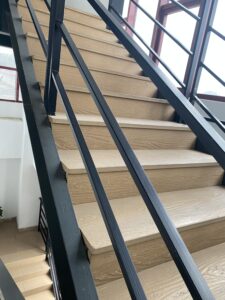
 Fibre cement decking is a type of outdoor building material used for creating decks, patios, and balconies. It is a composite material made primarily from a mixture of wood fibers, cement, and other additives. This composition gives it the look of natural wood while providing the durability and low-maintenance properties of cement.

Key Characteristics and Benefits:

  • Durability: Fibre cement decking is highly resistant to rot, pests (like termites), and harsh weather conditions. Unlike wood, it won't warp, crack, or splinter. It is designed to last for decades, with some manufacturers offering warranties of 25 years or more.
  • Fire Resistance: A significant advantage of fibre cement is its excellent fire resistance, often with an A1 non-combustible rating. This makes it a great choice for areas prone to wildfires or for balconies on multi-story buildings where fire safety standards are strict.
  • Low Maintenance: This decking material requires minimal upkeep. It doesn't need to be stained, sealed, or painted regularly like traditional wood decking. Occasional cleaning with a hose is usually sufficient to keep it looking good.
  • Aesthetics: Fibre cement decking can be embossed to mimic the grain and texture of natural wood, offering an authentic and attractive appearance. It can also be painted in various colors to suit different design preferences.
  • Temperature Stability: Unlike some other composite materials, fibre cement does not expand or contract significantly with temperature changes. This allows for smaller expansion gaps between boards, creating a more seamless and gap-free look. It also remains cooler to the touch in direct sunlight compared to wood or other materials.
  • Slip Resistance: It typically has a non-slip surface, even when wet, which enhances safety.

Potential Drawbacks and Considerations:

  • Weight and Installation: Fibre cement decking is heavier than wood or most composite materials. This can make the installation more complex and labor-intensive, often requiring specialized tools and professional installation.
  • Initial Cost: While it can save money in the long run due to low maintenance and long lifespan, the initial cost of fibre cement decking can be higher than some other decking options like pressure-treated lumber.
  • Repairability: If a board is damaged, repairing it can be more difficult than with other materials, and in some cases, the entire board may need to be replaced.
https://www.youtube.com/shorts/CZrv1hSuXPA

Installation Process:

Installing fibre cement decking generally involves:

  1. Preparation: Clearing the area, ensuring proper drainage, and building a sturdy substructure, which can be made of timber or steel.
  2. Framing: Constructing a level frame with appropriate joist spacing as recommended by the manufacturer.
  3. Board Installation: Cutting and fastening the fibre cement boards to the frame. Many systems use a hidden clip or fastener system to create a clean, seamless look with no visible screws.
  4. Finishing: Applying a primer and sealer, especially in coastal or humid areas, to protect the boards and maintain their finish.
More information, please visit at www.hocre-board.com or send message by whatsapp +86 15001321220