2025年7月28日星期一

Tips for Maintaining Your Fiber Cement Deck

 Fiber cement decking is celebrated for its exceptional durability and low maintenance, making it a popular choice for homeowners seeking a beautiful outdoor space without the constant upkeep associated with traditional wood. While it's true that fiber cement requires significantly less attention than timber, a little proactive care can go a long way in preserving its pristine appearance and extending its already impressive lifespan.

Here are some essential tips for maintaining your fiber cement deck:

1. Regular Cleaning: The Foundation of Deck Care

Even the most durable materials accumulate dirt, dust, pollen, and debris. Regular cleaning is the simplest yet most effective way to keep your fiber cement deck looking its best.

  • Sweep or Blow Regularly: Use a soft-bristle broom, leaf blower, or even a vacuum cleaner to remove loose dirt, leaves, and other debris. This prevents organic matter from breaking down and potentially staining the surface. Aim for at least once a week, or more frequently during seasons with heavy foliage or pollen.

  • Hose Down Periodically: A simple rinse with a garden hose can remove surface grime. For a deeper clean, especially after a long winter or heavy rain, use a gentle spray nozzle.

  • Mild Soap and Water Wash: For more stubborn dirt or general cleaning, mix a mild, non-abrasive soap (like dish soap or a dedicated deck cleaner designed for composite materials) with water.

    • Apply the solution with a soft-bristle brush or a sponge.

    • Scrub gently in the direction of the plank's grain.

    • Rinse thoroughly with clean water to remove all soap residue. Avoid letting soapy water dry on the deck.

2. Addressing Stains and Spills Promptly

While fiber cement is resistant to many stains, immediate action is key for spills.

  • General Stains (Food, Drinks): For most spills, a mild soap and water solution is sufficient. Blot up liquids immediately with a clean cloth. For dried stains, gently scrub with a soft brush and the soap solution.

  • Grease and Oil Stains: These require a bit more attention. Use a degreasing cleaner (again, ensure it's non-abrasive and safe for fiber cement) or a stronger concentration of dish soap. Apply, let it sit for a few minutes to break down the grease, then scrub and rinse.

  • Mold and Mildew: In shaded or damp areas, mold or mildew can still appear, especially if organic debris is left to accumulate.

    • Use a solution of equal parts white vinegar and water, or a commercial mold/mildew remover specifically designed for exterior surfaces (check for fiber cement compatibility).

    • Apply, let it sit for 10-15 minutes, then scrub gently and rinse thoroughly. Avoid harsh chemicals like bleach, as they can potentially discolor or damage the surface over time.

  • Rust Stains: For rust marks from metal furniture, use a rust remover designed for concrete or masonry, following the product instructions carefully. Test on an inconspicuous area first.

3. Power Washing with Caution

Pressure washing can be effective for deep cleaning, but it must be done correctly to avoid damaging the deck surface.

  • Low Pressure is Key: Use a low-pressure setting (ideally below 1500 PSI) and a fan-tip nozzle (e.g., 25-degree or 40-degree).

  • Maintain Distance: Hold the nozzle at least 8-12 inches away from the deck surface.

  • Even Strokes: Use broad, even strokes, moving in the direction of the plank's grain. Avoid concentrating the spray in one spot, as this can etch or damage the surface.

  • Test First: Always test a small, inconspicuous area first to ensure the pressure and technique won't cause damage.

4. Protecting Against Scratches and Dents

While durable, fiber cement can still be scratched or dented by sharp objects or heavy impacts.

  • Furniture Pads: Place felt or rubber pads under the legs of deck furniture to prevent scratches when moving them.

  • Avoid Dragging: Lift, don't drag, heavy items across the deck surface.

  • Protective Mats: Consider using outdoor rugs or mats in high-traffic areas or under dining sets to offer an extra layer of protection.

  • Care with Tools: Be mindful when using gardening tools, shovels, or other sharp implements near the deck.

5. Managing Drainage and Ventilation

Proper drainage and ventilation are crucial for any deck, including fiber cement.

  • Clear Debris: Ensure that the spaces between decking boards (if applicable) and around the deck's perimeter are clear of debris to allow for proper airflow and water runoff.

  • Prevent Standing Water: Address any issues that cause water to pool on the deck surface, as prolonged moisture can lead to mold/mildew growth and potentially affect the sub-structure.

6. Regular Inspections

Even with low-maintenance materials, periodic inspections are valuable.

  • Annual Check-up: Once a year, walk your deck and look for any signs of wear, loose fasteners, or areas that might need a deeper clean or touch-up.

  • Address Issues Early: Catching minor issues early can prevent them from becoming larger, more costly problems.

What to Avoid

  • Harsh Abrasives: Do not use steel wool, abrasive cleaners, or stiff wire brushes, as these can scratch or damage the surface finish.

  • Strong Acids or Bleach: While some mold removers contain mild bleach, avoid concentrated bleach solutions, as they can discolor the deck. Always check product compatibility.

  • Excessive Pressure Washing: As mentioned, high pressure can damage the planks.

  • Leaving Spills to Dry: Prompt cleanup is always best.

By following these simple maintenance tips, your fiber cement deck will continue to provide a beautiful, durable, and low-stress outdoor living space for many years to come, truly embodying the "set it and forget it" promise of modern building materials.


More information please visit at www.hocre-board.com or send message by whatsapp +86 15001321220

Fiber Cement Decking vs. Wood Decking

 When it comes to choosing the right material for your outdoor deck, the decision often boils down to a classic debate: Fiber Cement Decking vs. Wood Decking. Both offer distinct advantages and disadvantages, catering to different priorities, budgets, and aesthetic preferences. Understanding these differences is crucial to making an informed choice that will serve your home and lifestyle for years to come.

What Are They?

  • Wood Decking: This refers to traditional decking made from natural timber. Common types include pressure-treated pine, cedar, redwood, and various hardwoods (like Ipe or Tigerwood). Wood offers a classic, natural aesthetic and can be stained or painted.

  • Fiber Cement Decking: A composite material made from cement, sand, cellulose fibers, and water. It's engineered for durability and often designed to mimic the look and feel of natural wood, but without many of wood's inherent drawbacks.

Key Comparison Points

Let's break down the critical aspects to consider when comparing these two popular decking materials:

1. Durability and Longevity

  • Wood Decking:

    • Pros: Can last for decades if properly maintained (especially hardwoods).

    • Cons: Susceptible to rot, decay, insect infestation (termites), splintering, warping, and cracking due to moisture and UV exposure. Requires regular sealing, staining, or painting to prolong life.

  • Fiber Cement Decking:

    • Pros: Exceptionally durable and long-lasting. Highly resistant to rot, decay, termites, moisture damage, splintering, and warping. It's also non-combustible, offering superior fire resistance. Designed to withstand harsh weather conditions.

    • Cons: Can be brittle if not handled correctly during installation.

2. Maintenance Requirements

  • Wood Decking:

    • High Maintenance: Requires significant ongoing maintenance. This includes annual or bi-annual cleaning, sanding, staining, sealing, or painting to protect it from the elements and maintain its appearance. Failure to do so leads to rapid deterioration.

  • Fiber Cement Decking:

    • Low Maintenance: Requires minimal upkeep. Typically, just periodic cleaning with soap and water to remove dirt and debris. No need for sealing, staining, or painting for protection, though it can be painted for aesthetic changes.

3. Aesthetics and Design Flexibility

  • Wood Decking:

    • Pros: Offers a natural, organic look and feel. Each board has unique grain patterns. Can be stained in a wide range of colors or painted.

    • Cons: Color can fade over time due to UV exposure, requiring re-staining. Susceptible to mold and mildew growth in damp conditions, affecting appearance.

  • Fiber Cement Decking:

    • Pros: Can convincingly mimic the look of various wood grains and textures. Available in a wide range of pre-finished colors, or can be painted. Provides a consistent, uniform appearance. Offers a modern, clean aesthetic, especially with larger plank sizes.

    • Cons: While it mimics wood, it doesn't have the same natural warmth or unique variations of real timber.

4. Cost

  • Wood Decking:

    • Initial Cost: Generally lower initial material cost, especially for pressure-treated pine. Hardwoods can be more expensive.

    • Long-Term Cost: Higher long-term cost due to ongoing maintenance (materials, labor for cleaning, sanding, staining/sealing).

  • Fiber Cement Decking:

    • Initial Cost: Typically has a higher initial material cost than basic pressure-treated wood, but often comparable to or less than premium hardwoods or high-end composites.

    • Long-Term Cost: Lower long-term cost due to minimal maintenance requirements, leading to significant savings over the deck's lifespan.

5. Installation

  • Wood Decking:

    • Installation: Relatively straightforward for experienced DIYers or professionals. Boards can be cut and fastened with standard tools.

  • Fiber Cement Decking:

    • Installation: Requires specialized tools for cutting (e.g., a fiber cement saw blade) and can be heavier than wood, requiring more careful handling. Installation can be more labor-intensive if installers are not familiar with the material.

6. Environmental Impact

  • Wood Decking:

    • Pros: A natural, renewable resource if sourced from sustainably managed forests. Biodegradable.

    • Cons: Can contribute to deforestation if not sustainably harvested. Chemical treatments (for pressure-treated wood) can have environmental concerns.

  • Fiber Cement Decking:

    • Pros: Made from abundant natural materials (cement, sand). Very long lifespan reduces the need for frequent replacement, minimizing waste. Non-toxic once cured.

    • Cons: Manufacturing process is energy-intensive. Not easily biodegradable.

Which One is Right for You?

The best choice depends on your priorities:

  • Choose Wood Decking if:

    • You prefer the authentic, natural look and feel of real wood.

    • You are prepared for regular, ongoing maintenance (cleaning, staining, sealing).

    • Your initial budget is a primary concern, especially for basic wood types.

    • You value a renewable, biodegradable material (ensure it's sustainably sourced).

  • Choose Fiber Cement Decking if:

    • You prioritize low maintenance and long-term durability.

    • You need a material that is highly resistant to fire, rot, pests, and extreme weather.

    • You seek a modern, consistent aesthetic that can mimic wood without the upkeep.

    • You are looking for a cost-effective solution over the lifespan of the deck.

    • You value environmental benefits through longevity and reduced replacement.

Conclusion

Both fiber cement decking and wood decking offer viable options for your outdoor living space. While traditional wood provides timeless charm, fiber cement decking emerges as a superior choice for those seeking unmatched durability, minimal maintenance, and enhanced safety without compromising on aesthetic appeal. It represents a smart, long-term investment that delivers peace of mind and lasting beauty for your home.

More information, please visit at www.hocre-board.com or send message to whatsapp +86 15001321220

2020年4月10日星期五

Linear grooved surface Fiber Cement Facade

Linear Grooved Surface is the new large format fiber cement panel facade. It is perfect for making a special statement on both the interior and exterior of a building. There are 4 colors for your choile.
  • Dark grey fiber cement board
  • Light grey fiber cement board
  • White color fiber cement board
  • Black color fiber cement board
Through color liner-2_副本

Panel Size: 1220x2440mm;1200x2400mm, Max Length is 3000mm.
Thickness: 8mm to 12mm.
Application: Interior wall,exterior wall.
More information, please send email to info@hocre-board.com

2019年8月5日星期一

Pre Paint HD anti-graffiti matte black color fiber cement ventilated facades

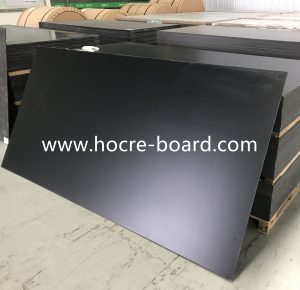
matte black color fiber cement board
The matt black color fiber cement panel is used for ventilated facades, The fiber cement board is  in 1200 x 2400 x 8 mm, also available as split in different dimensions.The surface is unique in terms of both wear and UV exposure.
Paint treatment: closed back and 6 x PVDF fluorocarbon paint  on front and edges. Matt Black Color Pre-Paint HD has an anti-graffiti surface.PVDF lacquer is twice as strong as Acrylic and PU lacquer and extremely resistant to fading, dirt, abrasion, salt, etc.
Matt Black Color Pre-Paint HD comes with clean cut edges.A 25-year product warranty and 10 years for color fastness and shine are provided on the paint treatment.

Contact Information:
Beijing Hocreboard Building Materials Co.,Ltd

Tel: 86 15001321220
Fax: 86 62151268

2019年8月2日星期五

EN12467 Tough Surface Fiber Reinforced Calcium Silicate Facade Panel

DARK GREY _副本

The surface is maintenance-free, "tough", tough and waterproof. The panel does not weaken in the wet state and the high PH value makes the plate very resistant to attack by fungus and mold.
Standard dimensions: 1200 x 2400 mm
Available in 6, 8, 10, 12, 15 mm
Fire class: A1
Maintenance-free surface
Can be used both inside wall and outside wall
Does not weaken in wet condition
Comes with clean edges
More information please contact us!
Beijing Hocreboard Building Materials Co.,Ltd

Tel: 86 15001321220
Fax: 86 62151268

2019年4月10日星期三

Wood Pattern Fiber Cement Boards

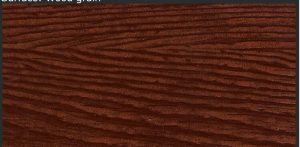
Fiber Cement Boards with wood appearance can be used in all places desired as they have warm appearance with cedar tree-like surface. It can be used safely in humid environments as it does not harbor corrosion. It can be painted in desired colors to bring various aesthetic appearances. It is not affected by any insects or pests hazardous to wood and not accommodate them as well.
wooden pattern fiber cement board
  • Surface appearance: Wood Pattern
  • Cement Board Dimensions:3000x200mm;3000x200mm;3660x210mm;3660x210mm
  • Thickness:7.5mm,9mm; Other size can be produced according to customer’s needs
  • Incombustibility ClassA1
Color Range:
FIBER CEMENT SIDING COLOR CARD_副本
More information, welcome to contact us!

Beijing Hocreboard Building Materials Co.,Ltd

Tel: 86 15001321220
Fax: 86 62151268
Skype: susan.wei1
WhatsApp:+8615001321220

2019年4月9日星期二

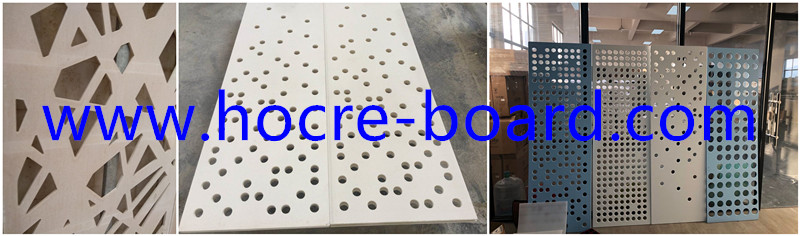
Carved cement façade cladding panel outdoor application

Carved cement façade cladding panel outdoor application
Base Board: High density fiber cement board, dark grey and white color
Thickness:8mm,9mm,12mm
Standard size: 1220x2440mm
carved fiber cement facade cladding panel
More information, welcome to contact us.

Contact information:
Beijing Hocreboard Building Materials Co.,Ltd

Tel: 86 15001321220
Fax: 86 62151268
Skype: susan.wei1
WhatsApp:+8615001321220